
How Long Does It Take to Get Addicted to Alcohol?

When people ask how long does it take to get addicted to alcohol, they’re usually trying to understand risk and timing. In this context, dependence means your body starts to rely on alcohol (tolerance, withdrawal). At the same time, Alcohol Use Disorder (AUD) describes a pattern of drinking that causes problems in health, work, school, or relationships. Those patterns build over time, and the timeline looks different for everyone.

There isn’t a single clock. Genetics, mental health (anxiety, depression, trauma), how often and how much you drink, your environment (stress, peer norms, access), and certain medications or medical issues all shape the pace. Some people escalate quickly; others slide gradually.

This page covers what drives risk, the early signs to watch for, what can change over days, weeks, and months, safety red flags (including withdrawal), practical ways to pause or reset drinking, and where to find structured support at Veritas Detox if you want help making a plan.

What Drives the Timeline?

Dose + frequency. Binge patterns (large amounts on fewer days) and daily use stress the brain in different ways, but both can speed tolerance, meaning needing more to feel the same effect and increase risk over time.

Biology & mental health. Family history, genetics, and conditions like anxiety, depression, or trauma can make alcohol feel especially “effective” at first, which reinforces use and shortens the path to problems.

Environment. High-stress settings, social circles where heavy drinking is normal, and easy access can nudge casual use into a routine. Living or working around alcohol also increases cues and cravings.

Medications/medical conditions. Some meds (e.g., sedatives) and medical issues interact with alcohol in ways that raise risk, lower inhibitions, or worsen withdrawal, which can accelerate harm even if total intake isn’t extreme.

Timelines vary widely. Instead of counting calendar days, pay attention to patterns and impact: rising tolerance, drinking to cope, missed responsibilities, or trouble cutting back. Those markers matter more than “how long” on the clock.

Early Changes: Days to Weeks 

In the early stretch, patterns can shift quietly. You may notice rising tolerance or needing more drinks to feel the same buzz or calm. Drinking starts to target a purpose: to change your mood or sleep, not just for taste or company. 

You might spend more time thinking about drinking: planning around it, watching the clock, or feeling edgy until “drink o’clock.” Plans get skipped or reshuffled so alcohol can fit like grabbing takeout instead of the gym, saying no to morning commitments after a late night.

What to try now: Pick alcohol-free days and protect them like appointments. Build alternate routines at trigger times, such as walking, taking a shower, making a call, or engaging in a hobby, so your body learns a new cue. Create a simple craving plan: breathe for 60 seconds, sip water, change rooms or step outside, and text one support person. 

Early adjustments can slow the slide and give you real data about how much alcohol is steering your day.

Escalation: Weeks to Months 

As patterns settle in, cues and rituals tighten: same time, same place, same people. You may drift into more frequent binges or a slow creep toward daily use. Skipping a night can bring withdrawal-like discomfort—poor sleep, irritability, sweating, tremor, or anxiety—that drinking temporarily relieves, reinforcing the cycle. The fallout shows up in work or classes (late, distracted, calling in) and relationships (promises broken, tension about money, secrecy).

This is a good moment to get an assessment and consider structured support. A confidential conversation can clarify risk, screen for withdrawal, and match you to next steps from a supervised detox, if needed, to residential care that adds routine, skills practice, and accountability. 

If you’re unsure, use a two-week trial: set three alcohol-free days per week, log sleep/mood/energy, and see whether you can stick to it. Struggling to maintain that plan is a strong signal to bring in more support.

Self-Check: Am I on a Fast Track?

Answer yes/no for the last 30–60 days:

  • Do I need more drinks to feel the same effect?
  • Do I drink to sleep, calm anxiety, or get through the day?
  • Have I tried to cut down and couldn’t?
  • Have friends/partners commented on my drinking?
  • Have I skipped responsibilities because of alcohol?

If you answered “yes” to several, consider a brief pause plan and a confidential assessment to check risk and map next steps.

Alcohol Withdrawal: Know the Basics 

Common symptoms after cutting back or stopping can include tremor, sweating, anxiety, nausea, and insomnia. Severe symptoms such as seizures, hallucinations, or confusion are medical emergencies.

Because withdrawal can escalate, don’t stop abruptly if you’ve been drinking heavily or daily. Medical oversight may be needed to taper safely and to manage symptoms.

Seek medical detox if you have a history of severe withdrawal, seizures, delirium, heavy daily use, or if you’re mixing alcohol with benzodiazepines or opioids. If severe symptoms start or you have thoughts of self-harm, call 911 (or your local emergency number) or go to the nearest ER. 

Your safety comes first; once you’re stable, a team can help you plan the next right step.

How Veritas Detox Can Help 

If alcohol is starting to run the show, structure and support make change easier. Veritas offers levels of care listed on its site that help you stabilize first, then practice the skills that keep progress going.

  • Medical Detox (Los Angeles): Safe, supervised stabilization to manage withdrawal and start recovery planning. 
  • Residential Inpatient: A structured schedule with therapy and groups to build relapse-prevention, communication skills, and daily routines.
  • Dual-Diagnosis Care: Treat substance use and mental health together (anxiety, depression, trauma) so common relapse drivers are addressed at the same time.
  • Holistic Services: Yoga, fitness, meditation, and creative groups to regulate stress and support consistency.
  • Aftercare & Alumni: Planning and community to maintain gains after residential.

Not sure where to begin? A brief admissions call can help match your needs to the right starting point.

Common Myths About “How Fast Addiction Happens” 

Myth: It takes years.

Reality: Some people develop problems quickly. Speed depends on biology, mental health, stress, access, and how much/how often you drink. Patterns and impact matter more than a calendar.

Myth: Only daily drinkers get addicted.

Reality: Binge patterns can escalate risk fast. Large amounts in short windows strain the brain, build tolerance, and make “special occasions” turn into a routine.

Myth: If I can stop for a week, I’m fine.

Reality: Cycles of heavy use followed by short breaks can still be risky, especially if you’re white-knuckling, obsessing about the next drink, or snapping back harder after the pause. Watch what happens in your life (sleep, mood, work, relationships) rather than using a single “proof” week as a test.

FAQs: How Long Does It Take to Get Addicted to Alcohol?

Is there a typical timeframe for alcohol addiction?

No single timeline fits everyone. Genetics, mental health, dose/frequency, and environment all shape the pace. Instead of counting days, watch for rising tolerance, drinking to cope, and trouble cutting back.

What speeds up the process?

Family history, anxiety/depression/trauma, frequent or heavy drinking, high-stress settings, and easy access can all accelerate risk. Mixing alcohol with sedatives or certain meds can also cause harm to arrive faster.

Can binge drinking lead to addiction even if I don’t drink daily?

Yes. Heavy episodic drinking can build tolerance, wire in cues and rituals, and push you toward using alcohol to manage stress or sleep. Daily use isn’t required for problems to develop.

How do I know if I’m crossing the line from “habit” to AUD?

Look for patterns: needing more for the same effect, drinking to function, failed cut-downs, and fallout at work, school, or home. If alcohol is steering your choices, it’s time to reassess.

Is it dangerous to stop suddenly?

It can be especially with heavy or daily use. Withdrawal ranges from anxiety and tremor to seizures and confusion. If you have red flags, seek medical guidance; medical detox may be the safest start.

What if I try to cut down and can’t?

That’s a sign to add structure. Residential care provides routine and daily practice; dual diagnosis addresses substance use and mental health together, so triggers don’t keep winning.

How do I support a partner who’s escalating quickly?

Set clear, kind boundaries (what you will/won’t do), keep safety plans ready, and encourage a confidential assessment. Offer options (detox info, call times) without rescuing or covering consequences.

What happens after inpatient—how do I keep progress going?

Aftercare & Alumni planning keeps accountability and support in place. Expect a relapse prevention plan, a contact list, and next steps (groups, therapy, sober activities) to help gains stick in daily life.

Confidential Support, When You’re Ready

If you’re wondering how long it takes to get addicted to alcohol, you don’t have to figure it out alone. Veritas can provide a confidential assessment, stabilize a safe withdrawal if needed, and help you build a plan that fits real life. You can Verify Insurance and contact Veritas Detox anytime, 24/7, to discuss options and next steps.
How Long Does It Take to Become Addicted to Alcohol?

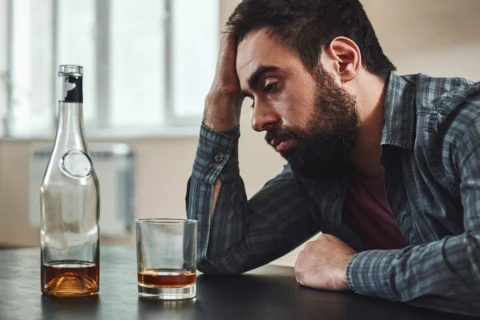
A person struggles with alcohol addiction.

Alcohol addiction, also known as alcoholism or alcohol use disorder (AUD), is a complex condition that can develop over time. It’s not always easy to pinpoint exactly how long it takes for someone to become addicted to alcohol, as the process varies greatly from person to person. Factors such as genetic predisposition, drinking patterns, mental health, environment, and social influences all play a significant role in the development of alcohol addiction. At Veritas Detox, we understand that addiction is a deeply personal journey, and the path to alcoholism can look different for everyone.

While there’s no specific timeline for how long it takes to become addicted to alcohol, it’s important to recognize the warning signs and the factors that contribute to addiction. By understanding these aspects, you can better protect yourself or a loved one from falling into the cycle of addiction and take action when necessary.

Understanding Alcohol Addiction

Alcohol addiction occurs when a person develops a physical or psychological dependence on alcohol. This dependence means that a person feels they need alcohol to function or cope with daily life. Over time, their tolerance to alcohol increases, requiring them to drink more to achieve the same effects. This escalating pattern of drinking can lead to a loss of control, cravings, and the inability to stop drinking, even in the face of negative consequences.

Alcohol addiction doesn’t develop overnight. It is usually the result of repeated heavy drinking over time, but it can take different amounts of time for different individuals to reach the point where their drinking becomes a dependency. For some, it might take months or years of regular drinking, while for others, addiction can develop more quickly due to factors such as genetic susceptibility, mental health conditions, or environmental influences.

Factors That Influence the Development of Alcohol Addiction

Several factors play a role in how quickly alcohol addiction can develop. These factors include:

Genetics

Research suggests that genetics can influence a person’s susceptibility to addiction. If you have a family history of alcoholism, you may be more likely to develop an addiction yourself. Studies have shown that people with a first-degree relative (parent or sibling) who has struggled with alcohol addiction are at higher risk.

Drinking Patterns

The frequency and quantity of alcohol consumption are key indicators of addiction risk. Binge drinking—defined as consuming large quantities of alcohol in a short period—can accelerate the development of addiction. People who drink excessively on a regular basis are at a higher risk of developing alcohol use disorder faster than those who drink moderately.

Mental Health Conditions

Individuals with mental health disorders such as anxiety, depression, or trauma-related conditions may be at a greater risk for developing alcohol addiction. Many people with mental health conditions turn to alcohol as a form of self-medication, which can eventually lead to dependence.

Environment and Social Influences

Environmental factors, such as peer pressure, family dynamics, and exposure to alcohol in social settings, can contribute to the development of alcoholism. Growing up in an environment where heavy drinking is normalized or socially encouraged can increase the likelihood of developing unhealthy drinking habits.

Age of First Use

People who begin drinking at a young age are more likely to develop alcohol addiction later in life. The brain is still developing during adolescence, and early alcohol use can interfere with this development, making it more difficult for the individual to regulate alcohol consumption later on.

A person struggles with alcohol addiction.

Stages of Alcohol Addiction

The process of becoming addicted to alcohol typically progresses in stages. These stages vary in length and intensity for each person but can generally be broken down as follows:

Experimentation

At this stage, the person may casually drink alcohol without any signs of dependency. This stage can last anywhere from a few weeks to months. Most people can enjoy alcohol socially without developing an addiction during this phase.

Regular Use

As drinking becomes a regular activity, a person may start consuming alcohol more frequently. They might drink on weekends or during social events, and over time, the amount of alcohol consumed may increase. This stage can last for months or even years before problems begin to arise.

Risky Drinking

At this stage, the individual may start drinking in ways that are unsafe, such as driving under the influence or drinking alone. Tolerance to alcohol builds, and they may begin drinking larger quantities to achieve the same effects. This stage can last several months or more.

Dependence

Dependence is characterized by physical and psychological cravings for alcohol. A person may begin to drink regularly to avoid withdrawal symptoms, such as anxiety, tremors, or nausea. Drinking may become the primary way to cope with stress or emotions.

Addiction

Alcohol addiction occurs when the person loses control over their drinking and continues to drink despite the negative consequences. Relationships, work, and health may suffer, but the individual feels unable to stop drinking.

How Long Does It Take?

There is no definitive answer to how long it takes to become addicted to alcohol. For some people, it can take only a few months of heavy drinking before they become dependent, while for others, it may take years. However, regular and excessive drinking increases the risk of developing an addiction over time. The sooner an individual seeks help, the better the chances of preventing full-blown addiction.

Preventing Alcohol Addiction

Understanding the signs of alcohol addiction and recognizing the risks early can help prevent the progression to addiction. If you or someone you know is struggling with alcohol use, seeking professional help is crucial. At Veritas Detox, we specialize in helping individuals who are battling alcohol addiction. Our team of experts can guide you through detox, therapy, and support systems to help you achieve lasting recovery and regain control of your life.

Veritas Detox Can Help With Treatment

The timeline for developing an addiction to alcohol is different for everyone, but it’s clear that the more frequently and heavily alcohol is consumed, the higher the risk of developing a dependency. By understanding the factors that contribute to alcohol addiction and recognizing the stages of the condition, individuals can take proactive steps to protect their health and well-being. If you or a loved one is struggling with alcohol use, don’t hesitate to seek help. At Veritas Detox, we are committed to providing the support needed to achieve a successful recovery.

What Happens When You Stop Drinking?

A woman looks at the ocean.

Nearly 30 million people struggle with alcohol addiction in the U.S. Alcohol addiction can negatively impact all areas of your life, which is why seeking professional treatment for your addiction is so important. If you are currently struggling with alcoholism, it can be scary to wonder what life would be like in sobriety. In this article, you’ll learn more about what happens when you stop drinking so you can better understand what to expect on your sobriety journey.

At Veritas Detox, we are a top-rated drug and alcohol detox center that helps individuals safely detox so they can effectively progress along their road to recovery. Our drug and alcohol detox center is here to help guide you so you can start your recovery journey safely and lay the groundwork for lasting transformation. Ready to break free of addiction once and for all? Contact us today!

7 Things to Expect When You Stop Drinking

Addiction recovery is exciting; however, it is normal to experience some fear surrounding what life would be like when you are sober. If you’ve been wondering what happens when you stop drinking, keep reading to learn what you can expect when you start your recovery and beyond.

1. Withdrawal Symptoms

First, as soon as you quit drinking you’ll experience withdrawal symptoms typically within the first 24 hours. Although withdrawal symptoms are uncomfortable, they are a necessary step in your recovery journey. This is because your body needs to detox and adjust to no longer consuming alcohol. While this step can be painful, it’s necessary to understand withdrawal symptoms are temporary and oftentimes only last for 1-2 weeks. It is important to note that, depending on the severity of your alcohol dependence or addiction, alcohol withdrawal symptoms can be serious, and in some cases, even life-threatening. Because of the potential for severe withdrawal symptoms, it is recommended to detox under the supervision of a medical professional.

2. Improved Mental Health

Once you’ve detoxed and are progressing along your recovery journey, you’ll begin to experience improvements in your mental health and cognitive function. This will allow you not only to focus on prioritizing healthy coping strategies in your life but also to help with rebuilding your life and relationships. Plus, you’ll likely experience improvements in your mental health and well-being. For example, you may find you are overall less irritable or impulsive now that you’ve stopped drinking. 

3. Improved Sleep Quality

Next, after you’ve detoxed and are progressing along your road to recovery, you’ll also experience improvements in the quality of your sleep. This will help you not only be more productive but will also help your body heal 

4. Increased Mental Clarity and Focus

As mentioned above, mental clarity and focus are another thing that happens when you stop drinking. This will allow you to not only prioritize your addiction recovery journey but also work on the relationships you may have fractured while you were struggling with your addiction.

5. Cravings, Urges, and Triggers Risk Chance of Relapse

While progressing along your recovery, it’s normal to experience cravings or urges that can risk jeopardizing your sobriety. It’s important to be aware of these cravings and your unique triggers so you can reduce your risk of relapsing.

6. Healthier Relationships 

Once you’re on your recovery journey, you should also start prioritizing your relationships that you may have hurt while you struggled with your alcohol addiction. As you work on healing your relationships, you’ll find that these relationships are healthier now that you have overcome addiction.

7. Regain Control of Your Health and Quality of Life

Finally, addiction recovery allows you to take back control over your health and quality of life for the better. Not only will your physical and mental health and well-being be better, but you’ll also find that your overall quality of life, from your relationships to your job and how you view yourself, will also significantly improve. 

Help Is Available 

Now you know more about what happens when you stop drinking. Although overcoming addiction is exciting, it can also seem overwhelming. Understanding what happens when you stop drinking helps you understand what to expect in this new chapter of your life.

At Veritas Detox, we help people begin this first step toward recovery with our alcohol rehab programs. We individuals progress through detox from alcohol and set them up for the recovery journey ahead. To learn how we can help you stop drinking, contact our team today.